Building climate resilience in Cameroon: Empowering smallholder farmers through climate-smart agriculture, climate information services and digital advisories
“When farmers have access to the right knowledge tailored to their needs at the right time, they are better equipped to face an uncertain climate and secure their livelihoods.”
Climate change is already reshaping farming in Cameroon
For thousands of smallholder farmers across Cameroon, climate change is no longer a distant concern – it is an everyday reality. Unpredictable rainfall, rising temperatures, prolonged dry spells, and increasing pest and disease outbreaks are making it more difficult for farming households to produce enough food and generate stable incomes.
Because more than 70% of Cameroon’s agricultural production depends on rain-fed farming and traditional farming practices, rural communities are particularly vulnerable to climate variability. Studies have documented declining rainfall, increasing temperatures, shifting planting seasons, and substantial reductions in staple crop yields. At the same time, many farmers still have limited access to climate information, improved technologies, and extension services that could help them adapt.
Strengthening farmers’ knowledge and decision-making capacity is therefore one of the most effective investments in building resilient food systems in Cameroon.
A collaborative response to strengthen farmers’ resilience
To help address these challenges, the Alliance for Sustainable Development (ASDEV), in partnership with the Pan African Climate Justice Alliance (PACJA) and with financial support from the Climate Justice Impact Facility for Africa (CJIFA) under the continental GUARD PLUS Project, is implementing a series of farmer capacity-building workshops across the Fako Division in Cameroon.
The initiative seeks to equip more than 250 smallholder farmers with practical knowledge on climate-smart agriculture (CSA), climate information services (CIS), and digital advisory services that support climate-informed farming decisions by the end of 2026.
This collaborative approach ensures that the technologies promoted are not only scientifically sound but also practical, locally relevant, and responsive to farmers’ needs.
Bringing knowledge to the farm: The Mile 16 capacity-building workshop
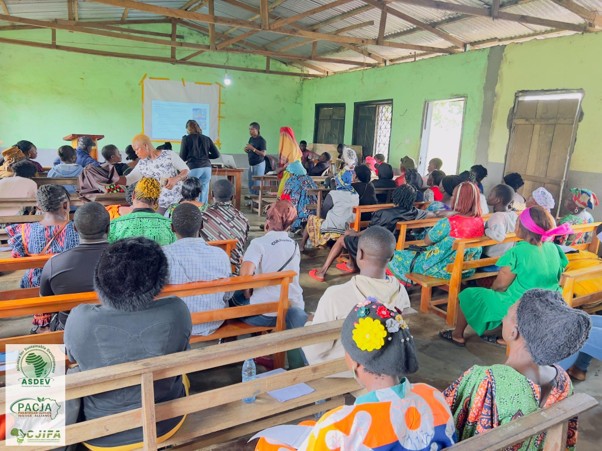
On 20 June 2026, ASDEV translated these partnerships into action by organising a large-scale farmer training workshop at the Mile 16 (Lower Bolifamba) Centre.
The workshop brought together more than 150 smallholder farmers from Dibanda, Bokova, Muea, Lower Bolifamba, Bokwai, Bwiteva and neighbouring communities.
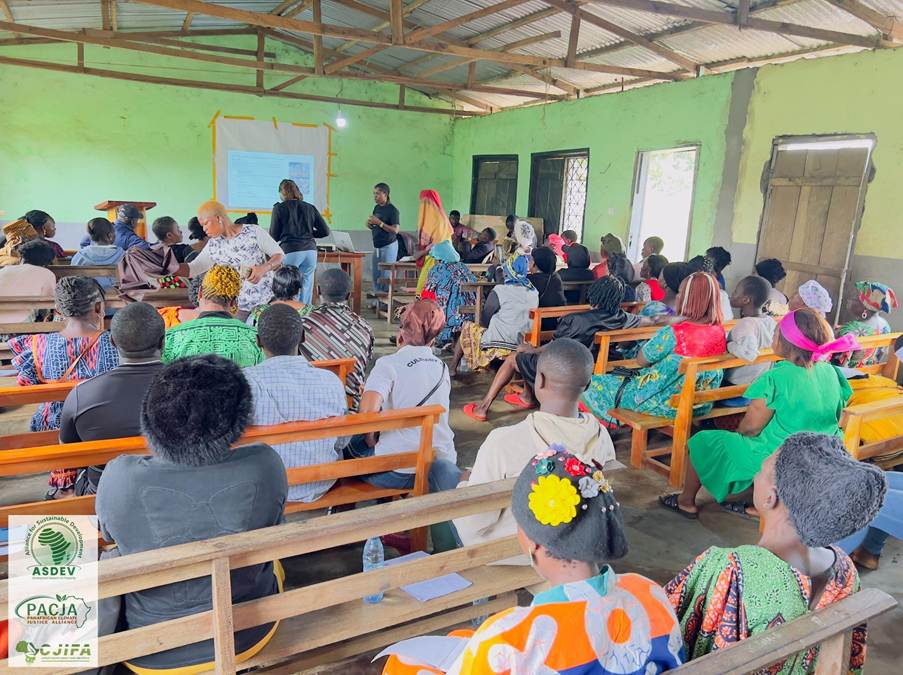
The training was delivered by an experienced multidisciplinary team comprising experts from government ministries (MINADER), research institutions (IRAD), universities (University of Buea), local non-governmental organisations (ACEFA), creating a rich learning environment where scientific knowledge met practical farming experience.
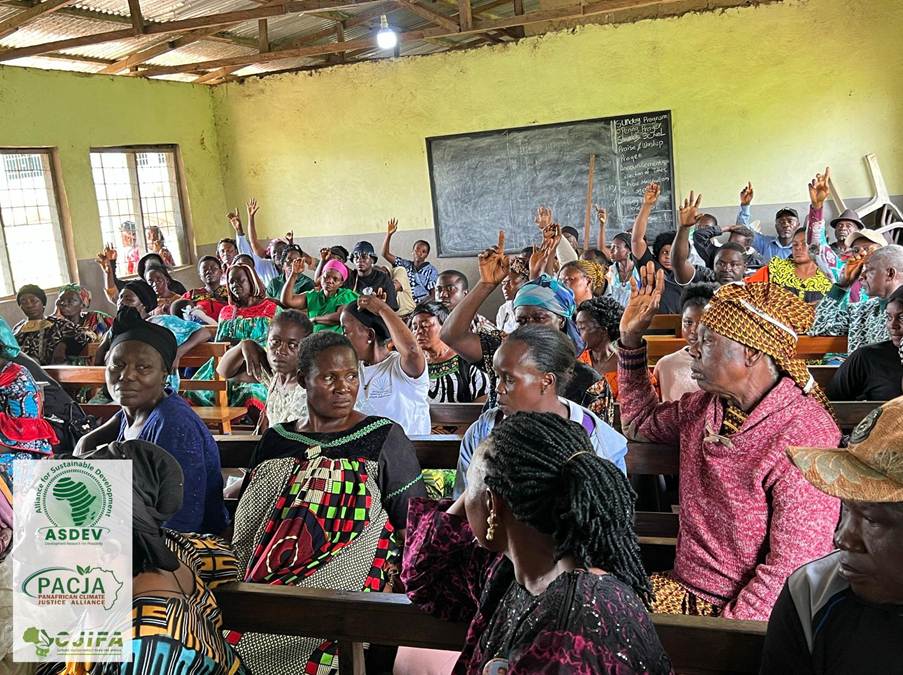
Throughout the workshop, farmers actively engaged in discussions, shared their experiences, asked questions, and explored practical solutions to the climate-related challenges affecting their farms.
Practical knowledge for climate-resilient farming
The training programme focused on practical technologies that farmers can readily apply within their production systems.
Participants received hands-on training on:
- Climate-smart agricultural practices for improving productivity and resilience;
- Improved and climate-resilient seed varieties;
- Integrated pest and disease management;
- Soil fertility improvement through mulching, organic manure, minimum tillage and other conservation agriculture practices;
- Water and soil conservation techniques;
- Understanding seasonal climate forecasts and weather information;
- Using climate information to make better planting and farm management decisions.
Learning by doing: Field demonstrations
One of the highlights of the training was the field demonstration conducted on nearby maize farms.
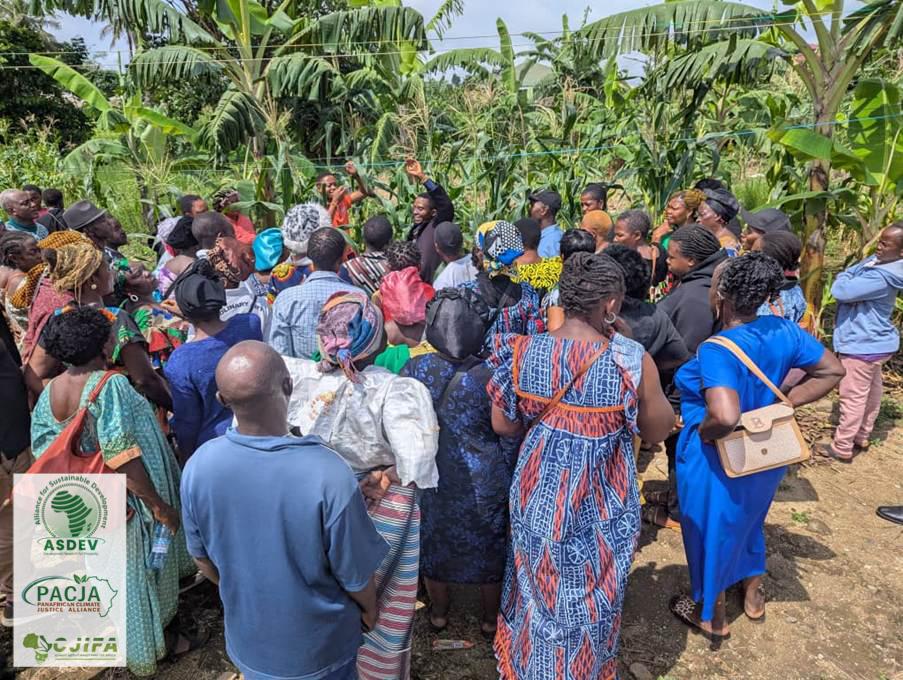
Farmers had the opportunity to observe recommended climate-smart agricultural practices under real field conditions. Trainers demonstrated practical techniques for soil conservation, crop management, and pest and disease identification, while discussing their benefits, implementation requirements, and expected impacts on productivity.
The field sessions encouraged lively interaction among participants, allowing farmers to exchange experiences, compare practices, and build confidence in applying the technologies on their own farms.
Seeing these practices in action transformed technical concepts into practical knowledge that farmers could immediately relate to their own production systems.
Extending learning beyond the workshop
Capacity building should not end when farmers return home.
To provide continuous technical support throughout the cropping season, ASDEV established a dedicated WhatsApp advisory platform immediately after the training.
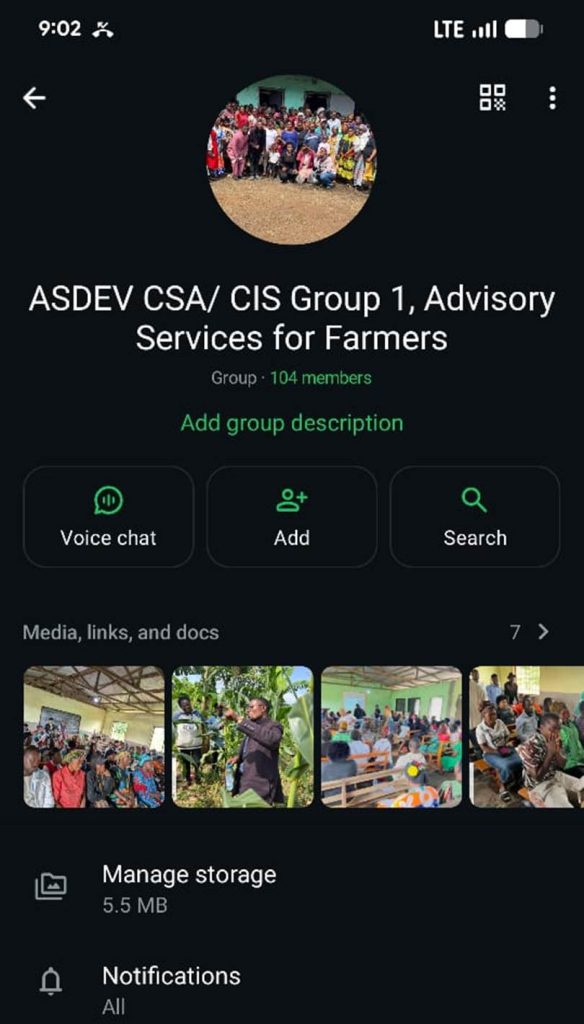
Through this digital learning community, participating farmers will continue to receive timely information on:
- Seasonal weather forecasts;
- Rainfall onset and cessation advisories;
- Climate information services;
- Agronomic recommendations;
- Pest and disease management;
- Improved seed varieties;
- Good agricultural practices throughout the farming season.
The platform also enables farmers to ask questions, share experiences with one another, and receive timely responses from agricultural experts.
By combining face-to-face training with digital extension services, ASDEV is helping bridge the gap between learning and sustained adoption of climate-smart practices.
Measuring impact through learning
An important feature of the workshop was its emphasis on evidence-based learning.
Using a structured monitoring and learning survey, ASDEV collated baseline data to assess farmers’ knowledge before the training.
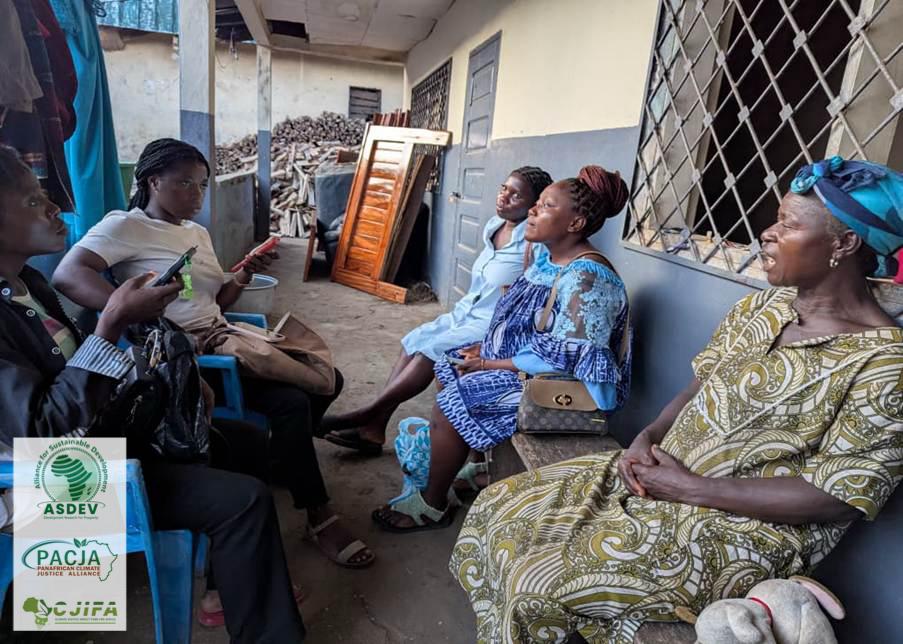
After the training, a monitoring and learning survey data was collected to assess farmers’ knowledge and understanding of CSA and CIS practices.
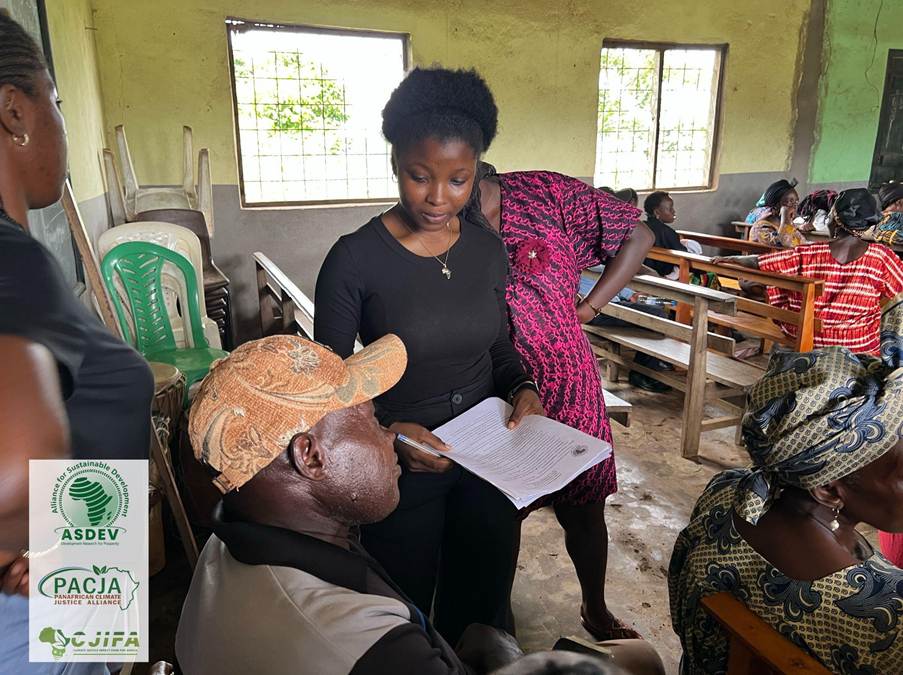
The comparison revealed a clear improvement in participants’ understanding of climate-smart agriculture, climate information services, and recommended agronomic practices.
The results demonstrate that practical, participatory training approaches can rapidly strengthen farmers’ knowledge and confidence to make more informed production decisions.
Beyond measuring project performance, these findings provide valuable evidence that investments in farmer capacity development can accelerate climate adaptation and technology adoption among smallholder farmers.
Farmers’ voices
The most compelling measure of success came directly from the farmers themselves.
Throughout the workshop, participants shared their reflections on what they had learned and how the training could improve their farming practices.
Farmer Reflection
“[The most important thing to me is that I have now gained skills and know how to cultivate sustainably through the agronomic practices we were exposed to … Mr Ketchem Rudolph.]”
Farmer Reflection
“[I am very happy for the creation of the CSA-CIS whatsapp group which I believe I will now be able to better manage my crops especially when it comes to pests and diseases since I grow more maize and vegetables … Ma Magdalene Ako.]”
Their experiences remind us that effective climate adaptation begins by listening to farmers and equipping them with practical knowledge that addresses the realities they face every day.
Why this matters for policy
The experience from the Mile 16 training highlights several important lessons for agricultural development and climate policy in Cameroon.
First, strengthening partnerships among government agencies, universities, civil society organisations, and farming communities enhances the quality and relevance of extension services.
Second, combining classroom instruction with practical field demonstrations significantly improves farmers’ understanding and confidence to adopt new technologies.
Third, digital advisory platforms such as WhatsApp offer an affordable and scalable way to complement conventional extension services, ensuring that farmers continue receiving technical support long after formal training has ended.
Finally, integrating monitoring and learning into farmer training programmes provides valuable evidence for policymakers and development partners on what works, enabling future investments to be guided by measurable outcomes rather than assumptions.
Scaling integrated programmes that combine Climate-Smart Agriculture, Climate Information Services, practical demonstrations, and digital extension can make a substantial contribution to improving agricultural productivity, strengthening food security, and enhancing resilience to climate change across Cameroon.
Looking ahead
The Mile 16 workshop represents an important milestone—but it is only the beginning.
Through the GUARD PLUS Project, ASDEV remains committed to working alongside government institutions, universities, civil society organisations, and farming communities to strengthen climate resilience across the Southwest Region.
As climate risks continue to evolve, empowering farmers with knowledge, practical skills, and continuous access to climate and agronomic information will be essential for building resilient food systems and sustainable rural livelihoods.
Together, we are building stronger farmers.
Together, we are strengthening climate resilience.
Together, we are shaping a more sustainable future for agriculture in Cameroon.
Authors:
Neville N. Suh
Norbert N. Ngwang